Table of Contents
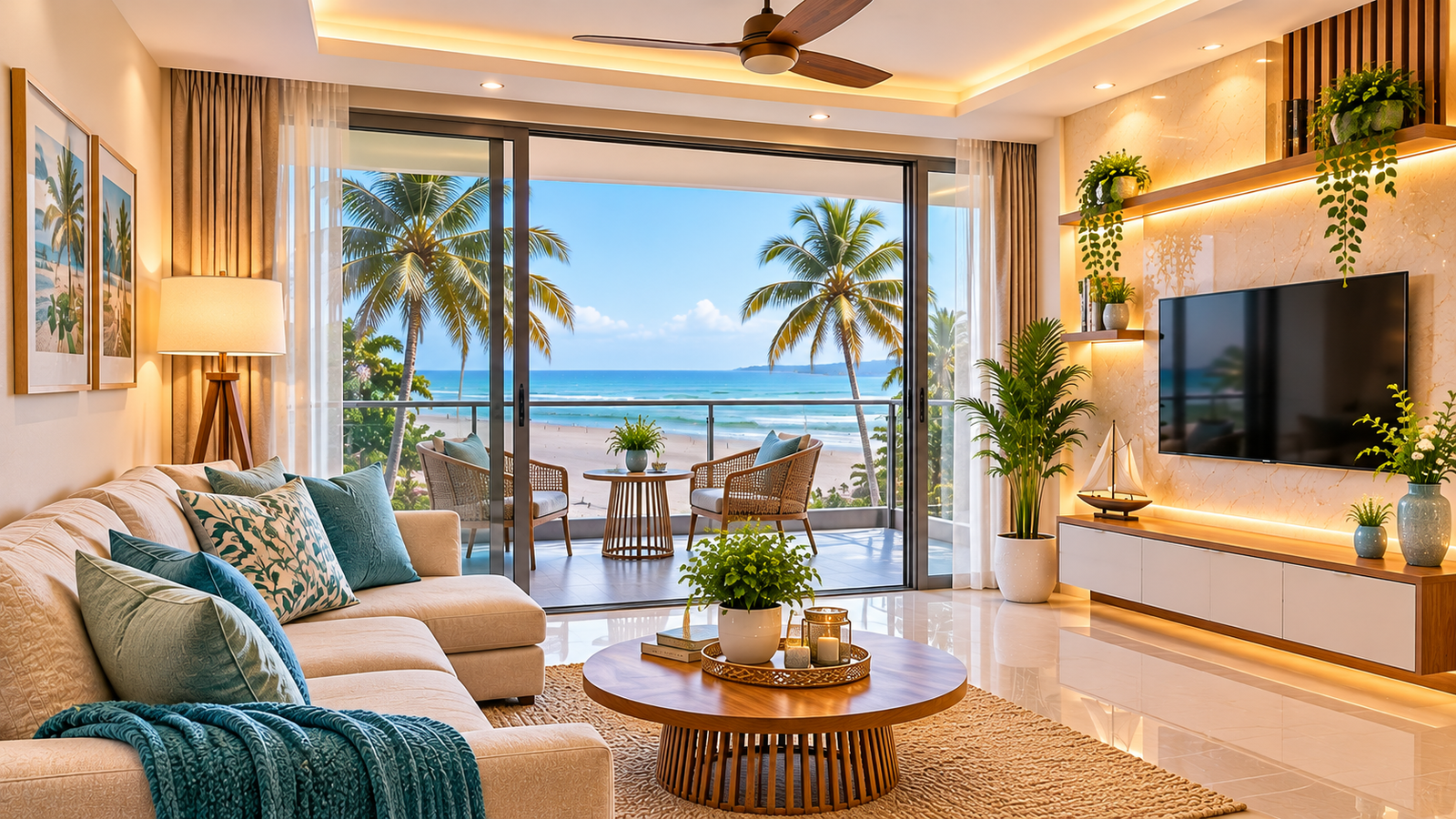
Coastal Home Interior Materials play an important role in creating durable, comfortable and stylish homes in seaside cities like Pondicherry. Coastal weather conditions can create unique challenges for residential interiors. High humidity, salty air, strong sunlight and moisture can affect furniture, flooring, wall finishes and other interior materials over time.
Choosing the right materials is therefore essential when planning a durable and comfortable home. The goal is not just to create attractive interiors but also to select materials that can withstand local environmental conditions and require manageable maintenance.
Here are 10 practical tips for choosing suitable interior materials for homes in coastal cities like Pondicherry.
1. Choose Moisture-Resistant Materials for Furniture
Humidity can affect certain types of wood and furniture materials, causing swelling, warping or surface damage. Selecting suitable materials is essential for maintaining the appearance and functionality of interior furniture.
Consider moisture-resistant plywood, quality laminates and properly treated wood products for wardrobes, cabinets and storage units. Ensure that edges and exposed surfaces are sealed appropriately to reduce moisture penetration.
The right material should depend on the furniture’s location, expected usage and maintenance requirements.
2. Select Flooring That Handles Humid Conditions
Flooring is one of the most frequently used surfaces in a home. In coastal environments, it is important to consider moisture resistance, durability, cleaning requirements and slip resistance.
Some suitable options include:
- Vitrified tiles: Offer a durable surface and are available in different colours, textures and finishes.
- Porcelain tiles: Generally have low water absorption and are suitable for many residential applications.
- Natural stone: Can create an elegant appearance, but requires suitable sealing and maintenance depending on the stone.
- Ceramic tiles: Provide a practical flooring option with a wide range of designs.
Choose flooring according to the room’s usage and ensure that wet areas have appropriate anti-slip surfaces.
3. Consider Corrosion-Resistant Hardware and Fittings
Salt in coastal air can accelerate corrosion in metal components, particularly when they are exposed to moisture.
Cabinet handles, hinges, drawer channels, door fittings and other hardware should be selected carefully. Stainless steel grades suitable for coastal exposure and appropriately protected hardware can help improve durability.
Regular cleaning and maintenance are also important to reduce the effects of salt deposits.
4. Use Suitable Wall Paints and Finishes
Walls in coastal homes may experience moisture-related issues, especially in areas with poor ventilation or water leakage.
Choose quality paints and finishes designed for the intended surface and environmental conditions. Washable paints can make everyday cleaning easier, while suitable primers and protective coatings can improve surface performance.
However, paint alone cannot solve dampness caused by structural leakage or water seepage. Identify and address the source of moisture before applying new finishes.
5. Choose Aluminium for Suitable Interior Applications
Aluminium is a useful material for selected interior applications because of its lightweight nature and resistance to rust compared with ordinary untreated steel.
It can be used for cabinet frameworks, partitions, window frames and other customised interior elements.
For coastal properties, select suitable aluminium grades, protective finishes and compatible fittings. Proper installation and maintenance help improve long-term performance.
6. Pay Attention to Kitchen and Bathroom Materials
Kitchens and bathrooms are areas where moisture exposure is particularly high. Materials used in these spaces should be selected based on water exposure, cleaning frequency and daily usage.
Consider moisture-resistant cabinet materials, suitable tile finishes, quality plumbing fittings and properly sealed countertops.
For bathroom flooring, prioritise slip resistance and effective drainage. In kitchens, ensure that cabinet edges, joints and areas around sinks are properly protected against water exposure.
7. Select Fabrics and Upholstery That Are Easy to Maintain
Coastal humidity can affect curtains, cushions and upholstered furniture. Fabrics that retain moisture may develop unpleasant odours if they are not cleaned and dried properly.
Consider breathable fabrics, removable cushion covers and upholstery that is easy to maintain. Regular cleaning and proper indoor ventilation can help keep soft furnishings fresh.
Also, choose window coverings according to the amount of sunlight entering each room.
8. Prioritise Proper Ventilation and Natural Lighting
Material selection alone is not enough to maintain comfortable coastal interiors. Good ventilation plays an important role in managing indoor moisture.
Plan windows, ventilation openings and suitable exhaust systems to encourage air circulation. Allow natural light into living spaces wherever practical.
Well-planned ventilation can help reduce moisture accumulation and support the long-term condition of furniture, fabrics and interior finishes.
9. Balance Durability with Interior Aesthetics
Choosing durable materials does not mean compromising on design. Modern interior materials are available in different colours, textures and finishes that can complement a variety of home styles.
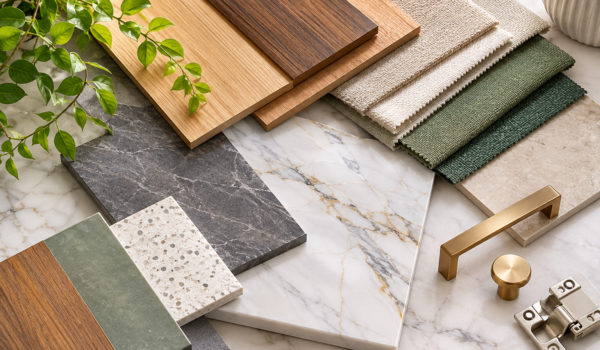
For example, wood-look laminates can introduce warmth, porcelain tiles can create an elegant flooring appearance, and aluminium elements can complement contemporary interiors.
The key is to combine materials that suit the coastal environment while maintaining a consistent design theme throughout the home.
10. Plan Your Interior Budget with Long-Term Maintenance in Mind
Choosing materials only according to their initial price may lead to higher maintenance expenses later.
Compare material quality, expected lifespan, installation requirements, warranties and maintenance needs before making a decision.
Investing in suitable materials for frequently used areas can help reduce replacement and repair requirements over time.
Create Durable and Stylish Coastal Home Interiors
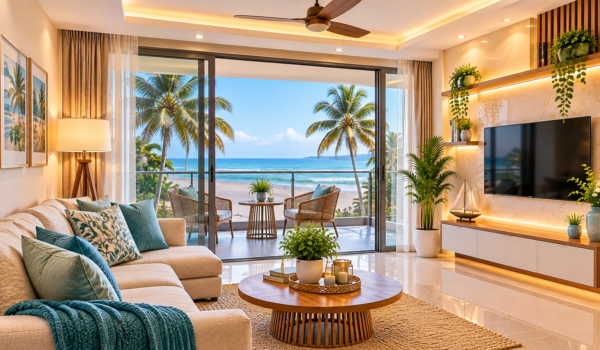
Designing a home in a coastal city like Pondicherry requires a thoughtful approach to material selection. From moisture-resistant furniture and suitable flooring to corrosion-resistant fittings and practical wall finishes, every choice contributes to the durability and comfort of the home.
At Barani Interiors, the focus is on combining practical space planning with attractive interior solutions that reflect individual requirements. With careful material selection and professional interior planning, homeowners can create spaces that are stylish, functional and suitable for coastal living.
Planning your home interiors in Pondicherry? Connect with Barani Interiors to explore suitable interior design and material solutions for your home.