Table of Contents
Living in a compact home does not mean you have to compromise on comfort or style. With the right interior design techniques, even the smallest rooms can feel spacious, bright, and inviting. Modern interior design focuses on maximizing available space while creating an open and comfortable environment.
Whether you have a small bedroom, living room, kitchen, or apartment, smart design choices can significantly improve the perception of space. If you are looking for effective ways to make small rooms look bigger, these expert interior design tips will help you transform your home into a more spacious and functional living area.
Why Space Optimization Matters
Small rooms can sometimes feel cramped and cluttered, affecting both comfort and functionality. Effective space planning helps create a balanced environment where every inch of the room is used efficiently.
Benefits of optimizing small spaces include:
- Improved comfort and functionality
- Better organization
- Enhanced visual appeal
- Increased natural light
- More efficient use of available space
A well-designed room can feel significantly larger without requiring any structural changes.
Choose Light and Neutral Colors
One of the simplest ways to make small rooms look bigger is by using light colors. Light shades reflect natural and artificial light, creating a bright and airy atmosphere.
Popular color choices include:
- White
- Cream
- Beige
- Light gray
- Soft pastel shades
These colors make walls appear farther apart, creating the illusion of a larger room.
Use Mirrors to Create Depth
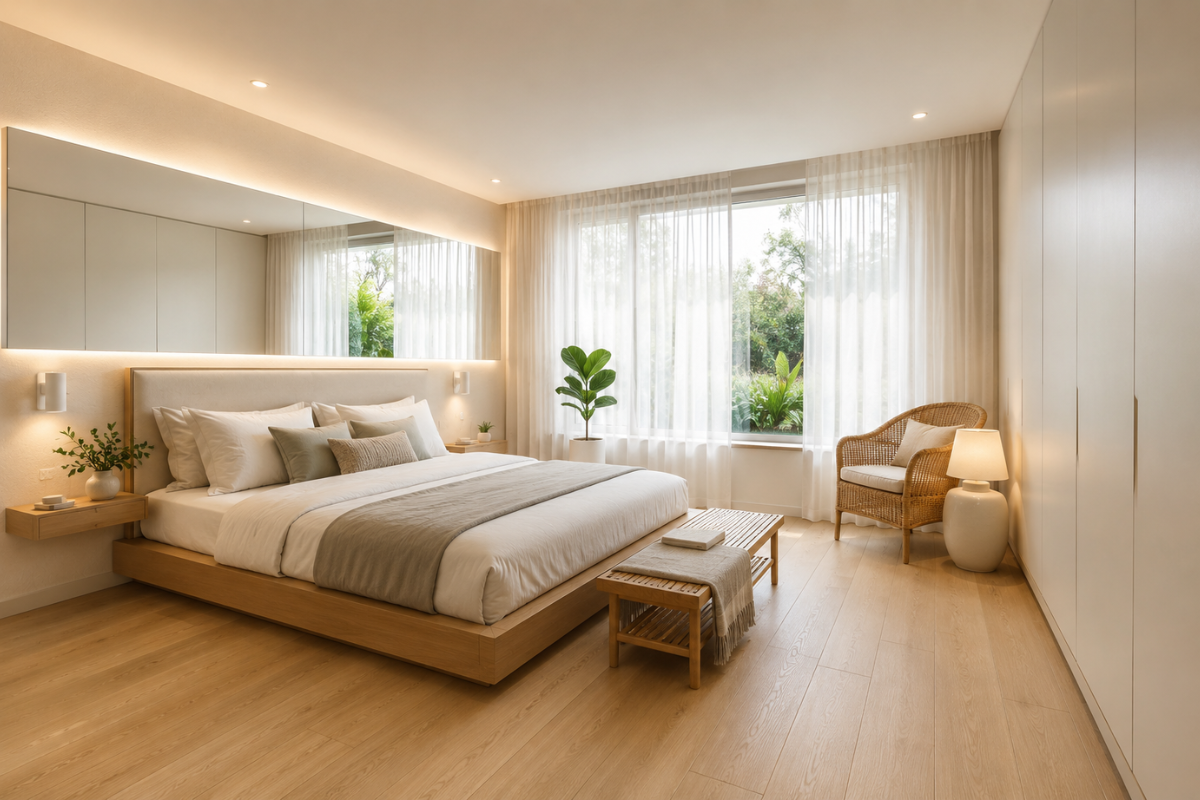
Mirrors are among the most effective tools in interior design for making small spaces feel larger. They reflect light and visually expand the room.
Best Mirror Placement Ideas
- Opposite windows
- Behind furniture
- On feature walls
- Near natural light sources
Large mirrors can instantly create a sense of openness and sophistication.
Maximize Natural Lighting
Natural light makes any room feel more spacious and welcoming. Allowing more sunlight into the room can dramatically improve its appearance.
Ways to maximize natural light include:
- Using sheer curtains
- Keeping windows unobstructed
- Choosing light-colored window treatments
- Installing larger windows when possible
Bright rooms naturally feel bigger and more comfortable.
Select Multi-Functional Furniture
Furniture that serves multiple purposes is ideal for compact homes.
Examples include:
- Storage beds
- Sofa beds
- Foldable dining tables
- Ottoman storage units
- Wall-mounted desks
Multi-functional furniture helps reduce clutter while maximizing usability.
Keep Furniture Proportional
Oversized furniture can overwhelm a small room and make it feel crowded. Choosing furniture that suits the room’s dimensions creates a more balanced appearance.
Tips include:
- Use compact sofas
- Choose slim-profile furniture
- Avoid bulky cabinets
- Select furniture with exposed legs
Properly scaled furniture improves movement and visual flow.
Use Vertical Space Efficiently
When floor space is limited, utilizing vertical space becomes essential.
Ideas include:
- Wall-mounted shelves
- Tall storage units
- Floating cabinets
- Vertical bookcases
Using wall space helps keep floors clear and makes rooms feel more open.
Declutter and Stay Organized
Clutter is one of the biggest reasons small rooms feel cramped. Maintaining an organized space improves both functionality and aesthetics.
Decluttering tips:
- Remove unnecessary items
- Use hidden storage
- Organize shelves regularly
- Invest in storage solutions
A clutter-free room immediately feels larger and more comfortable.
Choose Flooring Carefully
Consistent flooring throughout a home can create a seamless visual flow and make spaces appear larger.
Popular flooring options include:
- Large-format tiles
- Wooden flooring
- Luxury vinyl flooring
- Light-colored flooring materials
Uniform flooring reduces visual interruptions and enhances spaciousness.
Incorporate Glass Elements
Glass furniture and partitions create an open appearance because they allow light to pass through.
Examples include:
- Glass coffee tables
- Glass dining tables
- Glass partitions
- Glass shelving
Transparent materials reduce visual heaviness and create a more spacious feel.
Use Smart Lighting Design
Lighting significantly affects how large or small a room appears.
Layered lighting solutions include:
- Ceiling lights
- Wall sconces
- Floor lamps
- LED strip lighting
Proper lighting eliminates dark corners and makes the room feel larger.
Create an Open Layout
Whenever possible, open layouts help maximize available space.
Benefits include:
- Improved flow between rooms
- Better natural lighting
- Increased visual space
- Enhanced functionality
Open-plan living areas are particularly effective in small apartments and modern homes.
Add Floor-to-Ceiling Curtains
Installing curtains closer to the ceiling creates the illusion of taller walls.
Benefits include:
- Increased room height perception
- Elegant appearance
- Improved visual balance
Choose light-colored fabrics for the best results.
Use Minimalist Design Principles
Minimalism focuses on simplicity and functionality, making it ideal for smaller spaces.
Key elements include:
- Clean lines
- Limited décor
- Neutral color palettes
- Functional furniture
Minimalist interiors feel more open and organized.
Choose Furniture with Visible Legs
Furniture raised off the floor creates visual space underneath, making the room feel less crowded.
Suitable options include:
- Sofas with legs
- Raised beds
- Open-frame chairs
- Floating cabinets
This simple design trick can make a noticeable difference.
Add Reflective Surfaces
Reflective materials help bounce light throughout the room and enhance brightness.
Examples include:
- Glossy finishes
- Glass surfaces
- Metallic accents
- Polished tiles
Reflective surfaces contribute to a more spacious atmosphere.
Utilize Built-In Storage Solutions
Built-in storage helps maximize every available inch without taking up unnecessary floor space.
Popular solutions include:
- Built-in wardrobes
- Under-bed storage
- Wall niches
- Custom cabinetry
Efficient storage reduces clutter and improves room functionality.
Keep Décor Simple and Balanced
Too many decorative elements can make a room feel crowded. A few carefully selected accessories create visual interest without overwhelming the space.
Consider:
- Minimal artwork
- Indoor plants
- Decorative mirrors
- Simple wall accents
Balanced décor enhances style while maintaining openness.
Why Professional Interior Design Matters
Designing small spaces requires strategic planning and creative solutions. Professional interior designers understand how to maximize space while maintaining beauty and functionality.
At Barani Interior, we specialize in creating smart and stylish interior solutions that make small rooms look bigger and more comfortable. Our customized designs focus on efficient layouts, innovative storage, and modern aesthetics tailored to your lifestyle.
Conclusion
Learning how to make small rooms look bigger through interior design can dramatically improve the comfort and appearance of your home. From using light colours and mirrors to selecting multifunctional furniture and smart storage solutions, there are many ways to create the illusion of more space.
By applying these design strategies, homeowners can transform compact rooms into bright, functional, and visually spacious environments. With thoughtful planning and expert guidance, even the smallest room can feel open, elegant, and inviting.