Table of Contents
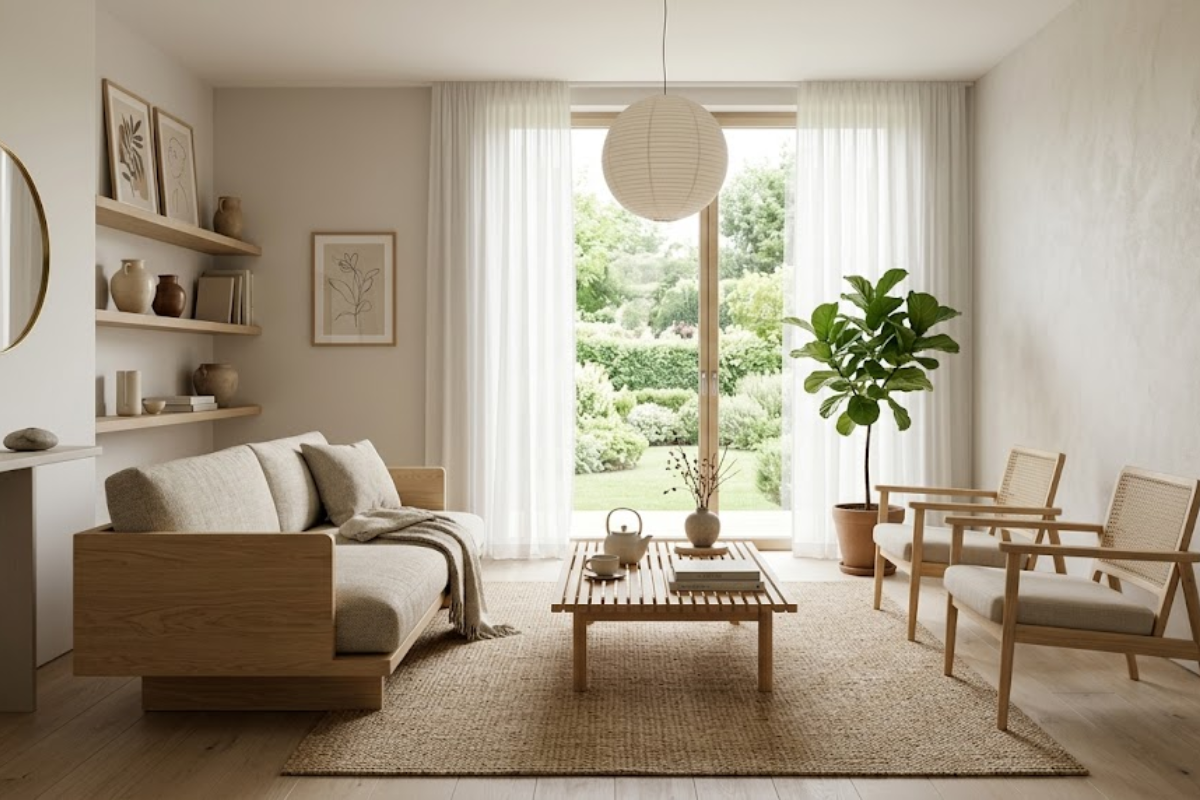
In the world of modern interior design, a new trend has captured the attention of homeowners seeking calm, balance, and understated beauty—Japandi design. A harmonious blend of Japanese minimalism and Scandinavian functionality, Japandi interiors are all about simplicity, elegance, and purposeful living.
If you’re looking to create a home that feels peaceful, clutter-free, and effortlessly stylish, Japandi design might be the perfect choice. In this blog, we’ll explore the core principles, trending ideas, and practical tips to help you bring Japandi style into your home.
What is Japandi Interior Design?
Japandi is a fusion of two design philosophies:
- Japanese design: Focuses on minimalism, natural elements, and a deep connection with nature.
- Scandinavian design: Emphasizes comfort, functionality, and warmth (often referred to as “hygge”).
Together, they create a style that is simple yet cozy, elegant yet functional.
Key Features of Japandi Interiors
Before diving into trends, let’s understand the core characteristics:
- Minimalism with warmth
- Neutral and earthy color palettes
- Natural materials like wood, bamboo, and stone
- Functional furniture with clean lines
- Decluttered and organized spaces
- A strong focus on craftsmanship and quality
Japandi design is not about having less—it’s about having only what truly matters.
1. Neutral and Earthy Color Palettes
Color plays a crucial role in Japandi interiors. The palette is calm, muted, and inspired by nature.
Popular Colors:
- Soft whites and creams
- Beige and taupe
- Warm greys
- Earthy greens and browns
Styling Tip:
Use lighter tones as a base and add darker accents (like charcoal or deep wood) for contrast and depth.
2. Embrace Minimalism with Purpose
Japandi design takes minimalism to a more livable level—clean but not cold.
How to Achieve:
- Remove unnecessary items
- Keep only functional and meaningful décor
- Focus on quality over quantity
Every piece in your home should serve a purpose or bring joy.
3. Natural Materials Take Center Stage
One of the most defining features of Japandi style is the use of natural materials.
Common Materials:
- Light and dark wood
- Bamboo
- Linen and cotton fabrics
- Stone and ceramics
These elements bring warmth and authenticity to your living space.
4. Low-Profile Furniture
Inspired by Japanese living, Japandi interiors often feature low-height furniture.
Examples:
- Low sofas
- Platform beds
- Floor seating arrangements
This creates a grounded, open, and calming atmosphere.
5. Functional and Simple Furniture Design
Furniture in Japandi homes is sleek, practical, and clutter-free.
Characteristics:
- Clean lines
- Minimal ornamentation
- Multi-functional use
Avoid overly decorative pieces—simplicity is key.
6. Bring Nature Indoors
Nature is an essential part of Japandi design.
Ideas:
- Add indoor plants like bonsai or snake plants
- Use natural light as much as possible
- Incorporate organic textures
A connection with nature enhances calmness and well-being.
7. Focus on Craftsmanship
Japandi interiors celebrate handmade and artisanal pieces.
Examples:
- Handcrafted furniture
- Ceramic vases
- Woven baskets
These items add uniqueness and a sense of authenticity to your home.
8. Decluttered and Organized Spaces
A clutter-free environment is essential for achieving the Japandi look.
Tips:
- Use hidden storage solutions
- Keep surfaces clean
- Organize items neatly
A tidy space promotes peace of mind and enhances visual appeal.
9. Soft and Layered Textures
While minimal, Japandi interiors are not stark—they include cozy textures.
Ideas:
- Layered rugs
- Soft cushions
- Linen curtains
Textures add warmth and prevent the space from feeling too plain.
10. Statement Lighting with Simplicity
Lighting in Japandi design is subtle yet impactful.
Options:
- Paper lanterns
- Wooden pendant lights
- Soft ambient lighting
Avoid overly bright or flashy lighting—opt for warm and diffused light sources.
11. Neutral Walls with Subtle Accents
Walls in Japandi homes are usually simple but not boring.
Ideas:
- Plain painted walls in neutral tones
- Textured finishes like plaster
- Minimal wall art
Keep decorations minimal to maintain a clean aesthetic.
12. Open and Airy Layouts
Japandi interiors prioritize space and openness.
Tips:
- Avoid overcrowding furniture
- Use open floor plans
- Allow free movement within rooms
An airy layout enhances comfort and functionality.
13. Blend Modern and Traditional Elements
Japandi design beautifully combines modern simplicity with traditional craftsmanship.
Examples:
- Modern furniture with traditional Japanese décor
- Scandinavian lighting with wooden textures
- Minimal layouts with cultural accents
This fusion creates a timeless and elegant look.
14. Calm and Mindful Living Spaces
Japandi design is deeply connected to mindfulness and well-being.
How to Create:
- Design quiet corners for relaxation
- Keep the environment peaceful and clutter-free
- Use calming colors and textures
Your home should feel like a retreat from the outside world.
15. Sustainable and Eco-Friendly Choices
Sustainability is a key aspect of Japandi living.
Ideas:
- Use eco-friendly materials
- Choose durable, long-lasting furniture
- Reduce waste and unnecessary purchases
This approach not only benefits the environment but also aligns with the philosophy of mindful living.
Why Choose Professional Interior Designers?
Achieving the perfect Japandi look requires a balance of minimalism, warmth, and functionality. Professional designers can help bring this vision to life with precision.
Barani Interior Company specializes in creating modern, elegant, and customized interiors that reflect your lifestyle. Their expertise ensures:
- Thoughtful space planning
- Selection of the right materials and colors
- Seamless blending of aesthetics and functionality
- High-quality craftsmanship
Whether you want a complete home transformation or just a subtle Japandi touch, Barani Interior Company can help design a space that feels both stylish and serene.
Final Thoughts
Japandi interior design is more than just a trend—it’s a lifestyle choice that promotes simplicity, elegance, and mindful living. By combining Japanese minimalism with Scandinavian comfort, you can create a home that is both beautiful and functional.
From neutral color palettes and natural materials to decluttered spaces and functional furniture, every element works together to create a calming environment.
Start small by decluttering your space and introducing natural textures, and gradually embrace the Japandi philosophy. With the right approach—and guidance from experts like Barani Interior Company—you can transform your home into a peaceful sanctuary that reflects modern elegance and timeless simplicity.