Table of Contents
The Japandi interior design style is one of the fastest-growing trends in modern home décor. It merges two powerful design philosophies — Japanese minimalism and Scandinavian warmth — to create a space that is both calming and functional. This blend emphasizes simplicity, craftsmanship, natural materials, and a profound appreciation for comfort and cleanliness.
Below is a comprehensive, detailed breakdown of Japandi design, from its origins to materials, layouts, furniture choices, lighting, décor, and practical applications in every room.
Japandi = Clean + Calm + Cozy + Functional
1. Color Palettes: Calm, Natural & Muted
Colors play the biggest role in defining Japandi interiors.
The palette is always neutral and soft, helping the mind relax.
Primary Colors
- Warm white
- Off-white
- Light beige
- Sand
- Stone grey
- Soft mocha
Accent Colors (minimal use)
- Olive green
- Dusty pink
- Charcoal grey
- Muted terracotta
- Forest green
These colors work together to create a peaceful environment that feels fresh, natural, and uncluttered.
2. Materials That Define Japandi Style
Japandi relies heavily on nature-inspired materials to bring warmth and purity into the home.
Natural Wood
- Oak
- Ash
- Beech
- Bamboo
- Teak
Use these for:
- Furniture
- Wall paneling
- Cabinets
- Sliding doors
- Flooring
Textiles
- Linen curtains
- Cotton bedsheets
- Wool rugs
- Knitted throws
- Jute carpets
These soften the minimal look.
Decorative Materials
- Ceramic pottery
- Clay vases
- Stone trays
- Rattan baskets
- Glass panels
- Woven lamps
Minimal but meaningful.
3. Furniture: Simple, Low & Functional
Japandi furniture is:
- Low-height
- Sleek
- Straight-lined
- Lightweight-looking
- Multi-functional
Furniture Rules
- Avoid bulky designs
- Choose pieces with straight legs
- Prefer built-in storage
- Always keep space around furniture
Examples
- Low wooden platform bed
- Simple dining table with straight legs
- Wooden sideboards
- Slim open shelves
- Tatami-style low seating
- Foldable or modular furniture
Everything should feel light, breathable, and purposeful.
4. Lighting: Soft, Warm & Natural
Japandi lighting focuses on creating mood, not brightness.
Best Types of Lighting
- Warm LED ceiling lights
- Cane or linen pendant lights
- Floor lamps with soft glow
- Wall sconces
- Cove lighting
- Lantern-style lamps
- Shoji-inspired diffused lights
Avoid white/harsh lights.
Lighting should feel:
- Calm
- Warm
- Uniform
- Relaxing
5. Layout & Space Planning: Airy & Open
Japandi emphasizes “space-to-breathe” layouts.
Layout Principles
- Keep furniture minimal
- Leave empty corners
- Avoid blocking windows
- Allow natural light to flow
- Maintain clear walking paths
- Keep floors as exposed as possible
Every room should feel open, balanced, and uncluttered.
6. Zen Corners: A Japandi Must-Have
A Zen corner is a small space dedicated to peace and mindfulness.
Zen Corner Setup
- Floor cushions
- A small bamboo or wooden table
- Soft mat or tatami
- A candle or ceramic lamp
- A plant (bonsai is perfect)
- Minimal books or a diffuser
This corner brings balance and relaxation to your home.
7. Plants: The Soul of Japandi Homes
Japandi loves plants for their calm energy and natural beauty.
Best Plants
- Monstera
- Snake plant
- Bamboo
- Peace lily
- Ferns
- Bonsai
- Aloe vera
Plants should look simple, not decorative.
8. Décor: Minimal Yet Artistic
Japandi décor follows the idea of “one beautiful thing is enough.”
What to Use
- Handcrafted ceramics
- Clay pots
- Wabi-sabi sculptures
- Simple wall art
- Wooden trays
- Neutral-toned candles
- Rattan baskets
What to Avoid
- Bright colors
- Heavy patterns
- Busy wall art
- Excessive accessories
Keep décor meaningful, not too many.
9. Room-by-Room Application
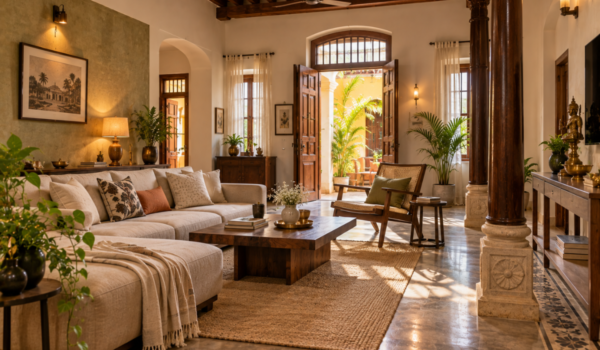
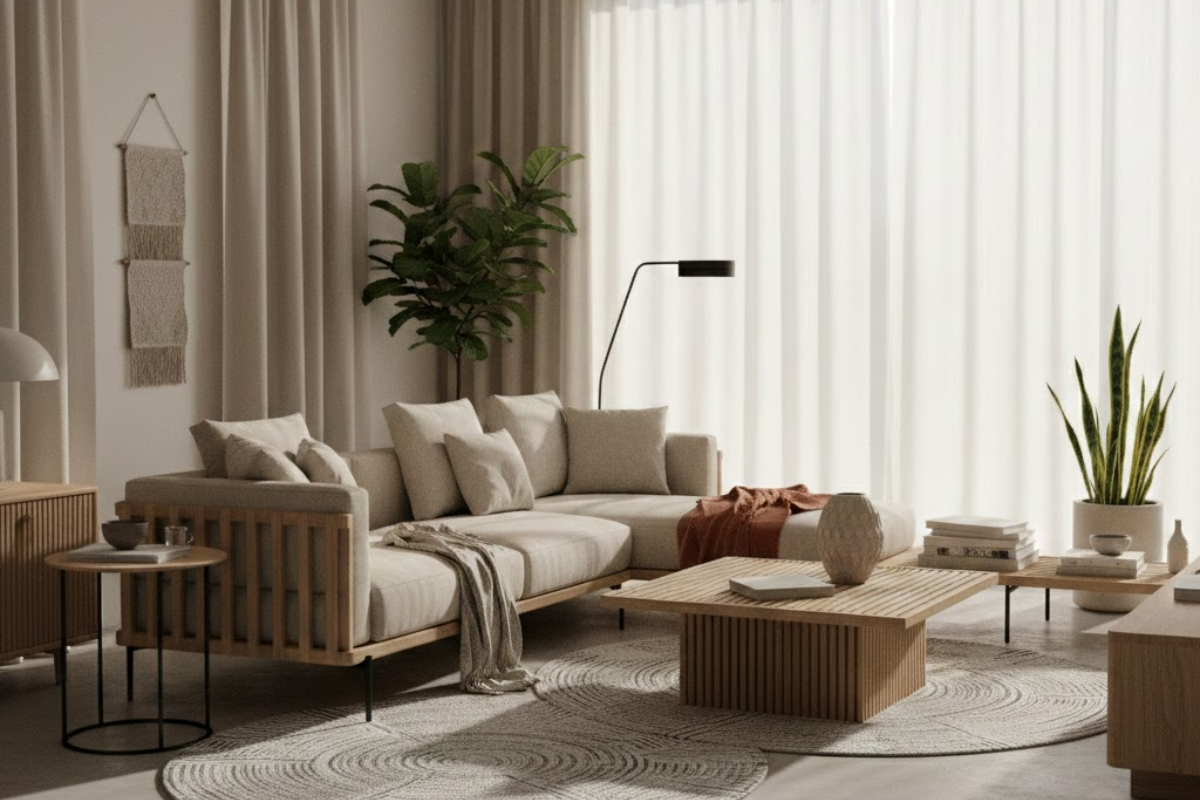
Living Room
- Low sofa
- Light wood TV unit
- Neutral curtains
- Indoor plants
- Warm rug
Bedroom
- Platform bed
- Wall-mounted lamps
- Linen bedding
- Storage drawers under the bed
- Minimal artwork
Kitchen
- Matte-finish cabinets
- Handleless drawers
- Wooden countertops
- Simple open shelves
- Soft under-cabinet lighting
Bathroom
- Earth-tone tiles
- Wooden cabinets
- Stone sink bowls
- Small plants
- Linen towels
10. Why Japandi Is Perfect for Modern Homes
Choosing Japandi-style interiors gives you:
- A calm and peaceful environment
- Beautiful, timeless design
- Easy cleaning and maintenance
- High functionality
- Eco-friendly materials
- Balanced décor
- Long-term durability
Japandi is more than a style — it’s a lifestyle of simplicity, nature, and comfort.