Table of Contents
A home’s charm comes not just from its interiors, but from the exterior design that greets you at the doorstep. Together with professional interior work, a thoughtfully designed home balances aesthetics, functionality, and comfort, creating a seamless living experience.
Whether you’re building a new home or renovating an existing one, integrating exterior design with interior work ensures your space looks cohesive, stylish, and inviting. This blog explores creative ideas, trends, and practical tips to transform your home inside and out.
1. Why Exterior Design Matters
The exterior of your home is the first impression visitors and neighbors see. It’s not just about curb appeal — it’s about reflecting your style and personality. A well-designed exterior:
- Enhances property value
- Improves energy efficiency
- Sets the tone for the interiors
- Creates a welcoming atmosphere
From facade materials and color palettes to landscaping and lighting, every detail in exterior design contributes to your home’s identity.
2. The Role of Interior Work in Home Design
While the exterior draws people in, interior work ensures that once inside, the home is functional, comfortable, and aesthetically pleasing. Interior design bridges the gap between architecture and daily living by focusing on:
- Space planning
- Furniture and storage solutions
- Lighting and ambiance
- Color coordination and textures
- Flooring, walls, and ceiling finishes
Combining expert interior work with cohesive exterior design ensures a unified look and feel throughout your property.
3. Key Elements of Exterior Design
A strong exterior design sets the stage for your home’s overall aesthetic. Here are the most important elements:
a) Facade and Materials
- Use high-quality materials like natural stone, wood, or textured plaster.
- Blend materials to create depth and visual interest.
- Consider weather-resistant coatings to maintain beauty over time.
b) Color Palette
- Choose neutral tones for a timeless look.
- Add bold accent colors on doors or shutters for contrast.
- Ensure exterior colors complement your interior work palette.
c) Landscaping
- Incorporate plants, shrubs, and lawns for a natural feel.
- Use decorative pots, garden lights, and pathways for structure.
- Maintain consistency with interior themes — e.g., natural wood accents inside and outside.
d) Lighting
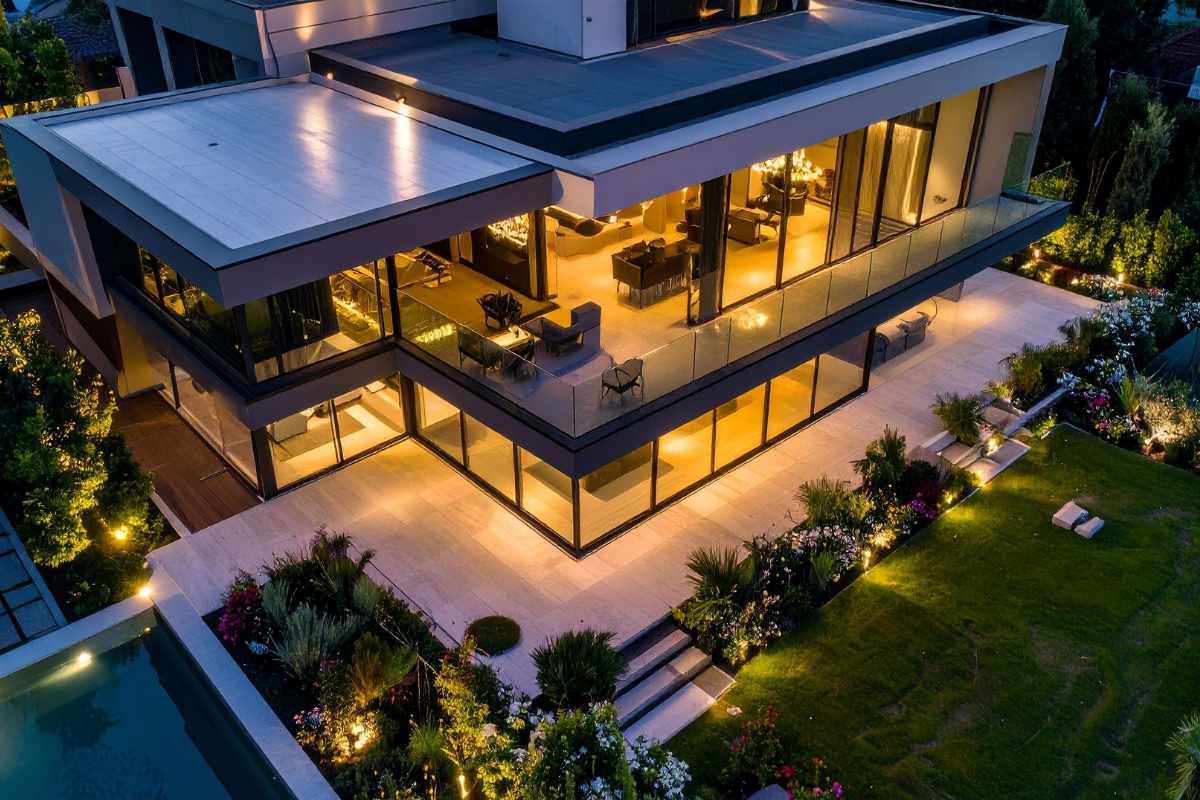
- Exterior lighting highlights architectural features and improves safety.
- Use wall sconces, pathway lights, and spotlights creatively.
- Coordinate with indoor lighting to create a smooth transition from exterior to interior.
4. Interior Work: Transforming Indoor Spaces
Once visitors enter your home, professional interior work ensures every space is functional and stylish. Key areas to focus on include:
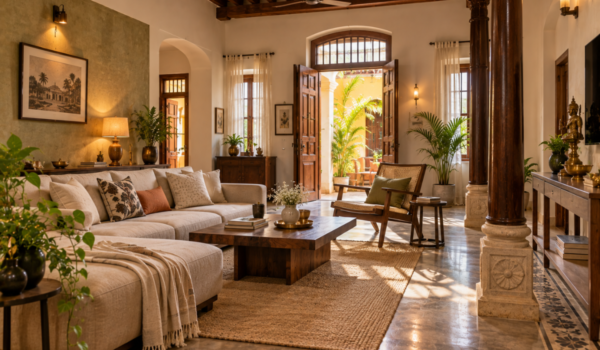
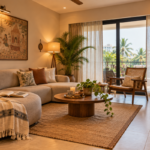
a) Living Room
- Open layouts make compact spaces feel larger.
- Neutral walls with bold accent pieces create balance.
- Built-in shelves and storage solutions reduce clutter.
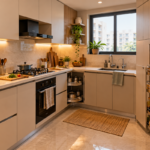
b) Kitchen and Dining
- Modular cabinets maximize storage in modern kitchens.
- Countertop materials like granite or quartz add elegance.
- Interior lighting under cabinets enhances both design and usability.
c) Bedrooms
- Comfortable, functional spaces with minimal clutter.
- Wardrobes with sliding doors save space.
- Accent walls or soft textures enhance aesthetics.
d) Bathrooms
- Use wall-mounted vanities and storage for a clean look.
- Anti-slip tiles and proper ventilation improve usability.
- LED lighting around mirrors creates a luxurious feel.
5. Creating Harmony Between Exterior Design and Interior Work
The best homes have a flow between outside and inside. To achieve this:
- Match exterior colors with interior palettes. For example, neutral walls outside and inside create continuity.
- Use similar materials, such as wooden trims, stone floors, or metallic fixtures.
- Consider architectural features like large windows or sliding doors to connect gardens with living spaces.
- Extend exterior lighting concepts into interiors for a cohesive ambiance.
6. Modern Trends in Exterior Design
Stay updated with trends that enhance both exterior design and complement interior work:
- Minimalist façades with clean lines and neutral shades
- Large glass panels to allow natural light and garden views
- Green walls and rooftop gardens for eco-friendly appeal
- Contemporary doors and aluminum-wood combinations
These trends help your home look contemporary while ensuring interiors feel spacious, airy, and well-lit.
7. Smart Interior Work for Modern Homes
Modern interior work is about functionality, comfort, and style:
- Multi-functional furniture: Sofa beds, foldable tables, and storage ottomans
- Vertical storage: Wall-mounted shelves and cabinets maximize space
- Smart lighting: Adjustable LED lights and motion sensors
- Eco-friendly materials: Bamboo, reclaimed wood, and low-VOC paints
Well-executed interior work ensures your home is both beautiful and practical.
8. Budget-Friendly Tips for Exterior and Interior Design
You don’t need to spend a fortune to create a cohesive, stylish home. Consider these tips:
- Use paint and textures strategically for instant impact.
- Install modular furniture to maximize storage affordably.
- Choose low-maintenance plants for exterior landscaping.
- DIY décor elements like planters, wall art, or mirrors.
- Focus on lighting to enhance the overall appeal.
Even small changes can make a huge difference when done thoughtfully.
Conclusion
A home is more than just walls and roofs; it’s a reflection of style, comfort, and personality. Thoughtful exterior design sets the tone, while expert interior work ensures every corner inside is functional and beautiful.
Whether you’re building your dream home or renovating an existing one, focus on harmony between the exterior and interior. Use colors, materials, lighting, and smart furniture to create a cohesive, welcoming environment.
Invest in professional interior work to make your vision a reality — because a beautifully designed home is not just lived in, it’s experienced.