Table of Contents
Fabric and textile styling plays an important role in creating elegant, comfortable, and visually appealing interiors. From stylish curtains and upholstered furniture to decorative cushions, rugs, and bed linen, the right textiles can transform your home. At Barani Interiors, we share practical fabric and textile styling ideas to help you create beautiful and functional living spaces.
The right combination of fabrics can make a room feel luxurious, comfortable, modern, or inviting without requiring major structural changes. Whether you are designing a new home or refreshing an existing space, thoughtful textile styling can bring the entire interior together.
At Barani Interiors, we believe that every design element should work together to create a balanced and functional space. Here are some practical fabric and textile styling ideas to help you create elegant interiors.
Why Fabrics and Textiles Matter in Interior Design
Fabrics play a much bigger role in interior design than simply adding decoration. They influence the atmosphere, comfort, colour balance, and overall character of a room.
Soft curtains can make a space feel calm and sophisticated, while textured cushions can add depth to a simple sofa. A well-chosen rug can visually define a seating area, and upholstered furniture can introduce colour and personality.
Textiles also provide an easy way to update an interior. Instead of replacing expensive furniture or repainting an entire room, changing curtains, cushions, rugs, or upholstery can give the space a fresh new appearance.
1. Choose Curtains That Complement the Interior
Curtains are one of the largest textile elements in a room, so choosing the right style can make a major difference.
For modern interiors, neutral shades such as beige, cream, grey, white, and soft earthy tones can create a clean and elegant appearance. If the room has a minimal colour palette, patterned or textured curtains can introduce visual interest.
Floor-length curtains can also make ceilings appear taller and create a more sophisticated look. For spaces that receive strong sunlight, consider fabrics that provide the right balance between natural light and privacy.
Layered curtains are another stylish option. Combining sheer curtains with heavier drapes allows you to control light throughout the day while adding depth to the windows.
2. Add Character with Upholstery
Furniture upholstery is another excellent opportunity to introduce fabrics into your interior design.
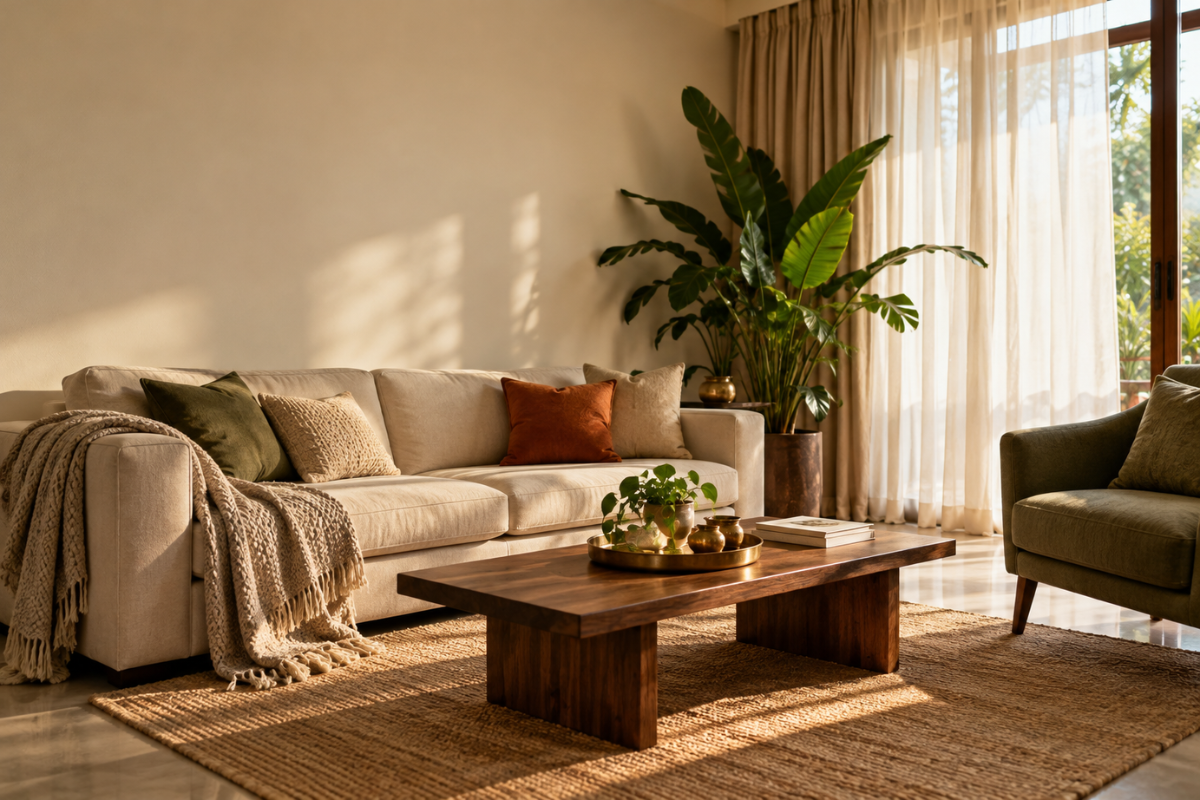
A neutral sofa can be enhanced with colourful cushions, throws, or an accent chair. Alternatively, a statement upholstered chair can become the focal point of a living room.
When selecting upholstery fabrics, consider both appearance and durability. High-use furniture should ideally use fabrics that are easy to maintain and suitable for everyday living.
For elegant interiors, materials with subtle textures can create a premium appearance without making the room feel overcrowded.
3. Use Cushions to Introduce Colour and Texture
Cushions are one of the easiest ways to experiment with textile styling.
You can combine different sizes, patterns, colours, and textures to create a layered appearance. For example, a neutral sofa can be styled with a combination of solid-colour cushions, geometric patterns, and textured fabrics.
However, avoid using too many unrelated patterns. Choose a common colour palette and allow the different textures and patterns to complement one another.
For a sophisticated look, consider using three or four coordinated cushion designs rather than filling the sofa with too many contrasting colours.
4. Bring Warmth with Area Rugs
An area rug can instantly make a room feel warmer and more inviting. It can also help visually define different areas within an open-plan interior.
For living rooms, choose a rug that is large enough to connect the main furniture pieces. In bedrooms, a soft rug positioned around the bed can create a comfortable feeling underfoot.
The colour and pattern of the rug should complement the existing interior rather than compete with it.
Neutral rugs work particularly well in modern minimalist homes, while patterned rugs can add personality to simple interiors.
5. Create a Relaxing Bedroom with Soft Textiles
The bedroom should feel comfortable, peaceful, and personal. Textiles are essential for achieving this atmosphere.
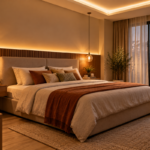
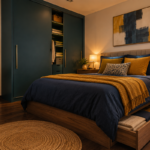
Start with comfortable bed linen and coordinate it with curtains, cushions, and throws. Soft neutral shades can create a calming environment, while muted blues, greens, beige, and earthy tones can introduce a natural feel.
Layering is especially effective in bedrooms. Combine bedsheets, blankets, throws, cushions, and curtains with slightly different textures to create a luxurious yet comfortable appearance.
6. Coordinate Colours Across Different Textiles
One of the biggest mistakes in textile styling is selecting every fabric independently.
Instead, create a colour story for the room. Choose one dominant colour, one or two complementary colours, and a neutral shade to balance the overall design.
For example, a living room could use warm beige as the base, olive green as an accent, and natural brown through wooden furniture and textiles.
The same accent colour can then appear subtly in the curtains, cushions, rug, or upholstery. This creates a cohesive interior without making everything look identical.
7. Mix Different Textures
Texture is just as important as colour.
Combining materials such as cotton, linen, velvet, wool, jute, and woven fabrics can create depth and dimension. A smooth sofa paired with textured cushions and a woven rug, for example, can make a simple interior feel much more sophisticated.
The key is balance. Mixing textures works best when the colours remain coordinated.
For modern homes, natural-looking fabrics and subtle textures can create an elegant aesthetic while maintaining a relaxed atmosphere.
8. Consider Natural Fabrics
Natural fabrics can bring an organic and timeless quality to interiors.
Linen and cotton are popular choices for curtains, cushions, and upholstery because of their comfortable appearance and versatility. Jute and other natural woven materials can add warmth and earthy character.
Natural textiles work especially well with wooden furniture, indoor plants, neutral colours, and other nature-inspired design elements.
This combination can create a calm and welcoming interior that feels connected to the natural environment.
9. Don’t Forget Functionality
Beautiful textiles should also be practical.
When selecting fabrics, consider factors such as sunlight exposure, maintenance, cleaning requirements, moisture, and everyday usage.
For homes with children or pets, durable and easy-to-clean fabrics may be more suitable than delicate materials. Similarly, curtains in rooms exposed to strong sunlight should be selected with light control and durability in mind.
Good interior design is not only about appearance. The best textile choices combine style, comfort, durability, and functionality.
10. Create a Consistent Look Throughout the Home
Textile styling doesn’t have to stop in the living room.
You can create a consistent design language throughout your home by repeating certain colours, patterns, or textures in different rooms.
For example, a particular earthy tone used in the living room can appear subtly in bedroom cushions or dining-area upholstery. This creates visual continuity while allowing each room to maintain its own personality.
The goal is not to make every room look the same, but to make the entire home feel connected.
Transform Your Interiors with Thoughtful Textile Styling
Fabric and textiles may appear to be small design details, but together they can have a major impact on the overall appearance and comfort of your home.
From elegant curtains and stylish upholstery to layered cushions, rugs, throws, and natural fabrics, there are countless ways to introduce texture and personality into an interior.
The key is to select textiles based on your home’s colour palette, furniture, lighting, lifestyle, and functional requirements. When these elements are carefully coordinated, fabrics can transform an ordinary room into a warm, elegant, and personalised space.
If you are planning a new home interior or looking to refresh your existing space, professional interior design in Pondicherry can help you choose the right materials, colours, furniture, and textile combinations for your lifestyle.
Barani Interiors focuses on creating thoughtfully designed spaces where aesthetics and functionality work together. With the right planning and textile styling, your home can feel more comfortable, elegant, and uniquely yours.
Conclusion
Elegant interiors are not created by a single design element. They come from the thoughtful combination of colours, materials, lighting, furniture, and textiles.
By choosing the right curtains, upholstery, cushions, rugs, and decorative fabrics, you can add warmth, texture, comfort, and personality to every room. Whether your style is modern, minimalist, classic, or contemporary, well-planned textile styling can elevate the entire interior.
Start with a clear colour palette, experiment with different textures, prioritise functionality, and keep the overall design balanced. With these simple principles, fabrics and textiles can become one of the most powerful tools for creating an elegant and inviting home.